Are you considering a bathroom overhaul but uncertain about the expenses involved in the UK? We're here to provide insights into the costs associated with bathroom renovations in the UK and offer inspiration on how to turn your bathroom aspirations into reality.
 |
| Image Credit : Tapron.co.uk |
Undoubtedly, bathroom renovations rank among the most significant home improvement endeavors, second only to kitchen revamps. Yet, the benefits of refurbishing your bathroom are manifold. Not only can it elevate the aesthetic appeal of your abode, but it can also substantially enhance its overall value, making it a prudent investment. So, what's the price tag for a bathroom makeover in the UK?
On average, a comprehensive bathroom renovation in the UK carries a price tag of around £8000. However, this figure can vary considerably depending on several factors. Opting for a DIY approach could significantly trim down your expenses, possibly bringing the total cost down to as little as £1000. Conversely, entrusting the project to a professional contractor for a full-service renovation might command a heftier investment, with costs soaring up to £17,000.
In this comprehensive guide, we'll delve into the intricacies of budgeting for each bathroom component, while also providing invaluable cost-saving tips to help you navigate through the renovation process with financial prudence.
Bathroom costing breakdown tips
This Bathroom Cost Guide serves as a valuable resource for estimating the expenses associated with a typical bathroom renovation in the UK. By meticulously comparing prices and quotations for fixtures, tiles, and labor, you'll gain insights to accurately gauge the total cost of your bathroom remodel. Additionally, we'll impart some savvy tips and tricks for undertaking a budget-friendly bathroom renovation.
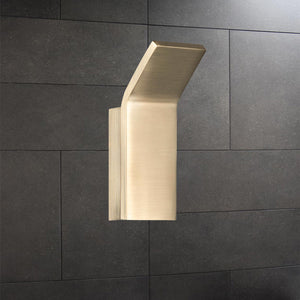
Image Credit : Tapron.co.uk
Approaching the cost estimation for a bathroom remodel requires a logical mindset. By methodically listing all expenses, you can effectively prioritize your needs and preferences. Employing a spreadsheet can facilitate this process, enabling you to track both estimated and actual costs with precision.
Flexibility is key when endeavoring to adhere to your bathroom budget. Recognizing that certain compromises may be necessary, it's essential to assess your willingness to adapt. Embracing this mindset may unveil alternative solutions that were previously overlooked. However, it's crucial to acknowledge that certain costs are non-negotiable, underscoring the importance of adhering to fundamental budgetary principles.
Here is the essential breakdown of bathroom costs that you should know:
1. Bathroom fittings – Fixtures such as toilets, taps and toilets.
2. Plumbing costs - Water supply, heating, and drain pipes.
3. Electric Costs - Lighting, wiring and ventilation.
4. Walls - Paints, tiles, or the inexpensive tile-alternative wall panel
5. Labor - For preparation or installation
Bathroom Renovation Costs
 |
| Image Credit : Tapron.co.uk |
When considering bathroom renovation costs, it's essential to explore the array of options available for creating your dream shower. From an assortment of colors to diverse designs, shower cladding offers a versatile palette to match your preferences. If the desired options aren't readily available, don't fret—shower wall panels present an alternative solution. While they may not boast the same level of strength, thickness, or width as traditional cladding, these panels offer a myriad of designs to suit your aesthetic vision.
These factors will affect the cost of your bathroom remodel.
1. The size of your bathroom
Larger bathrooms inherently provide more space, offering ample room for various fixtures and fittings. However, it's essential to note that with this added space comes a higher requirement for fixtures and fittings to effectively fill the area. Consequently, the installation of additional elements incurs greater costs, contributing to a higher overall budget for the renovation project.
2. The structural changes required
Any significant structural modifications, such as the installation of new windows or skylights, can substantially elevate the total renovation expenses. These alterations involve not only the cost of the new fixtures themselves but also the associated labor and potential adjustments to the existing infrastructure. Therefore, such structural changes invariably contribute to an increase in the overall project cost.
3. The quality of the materials and fittings
The quality of materials and fittings chosen for your bathroom renovation significantly impacts the overall cost. Bathroom fittings are available in various styles and price ranges, offering different levels of durability, aesthetics, and functionality. Opting for higher-quality materials and fixtures typically incurs a higher upfront cost but may result in better longevity and performance over time. Conversely, selecting lower-cost options may reduce immediate expenses but could necessitate more frequent replacements or repairs in the future. Therefore, carefully assessing the balance between upfront investment and long-term value is essential when considering material and fixture choices for your bathroom renovation.
4. You can achieve the look you desire.
Regardless of your budget, there are options available to achieve the desired look for your bathroom renovation. With a smaller budget, you can focus on polishing, cleaning, and upgrading existing fittings to enhance the overall aesthetic appeal. This may involve refinishing surfaces, replacing worn-out components, or adding decorative accents to refresh the space without significant expense.
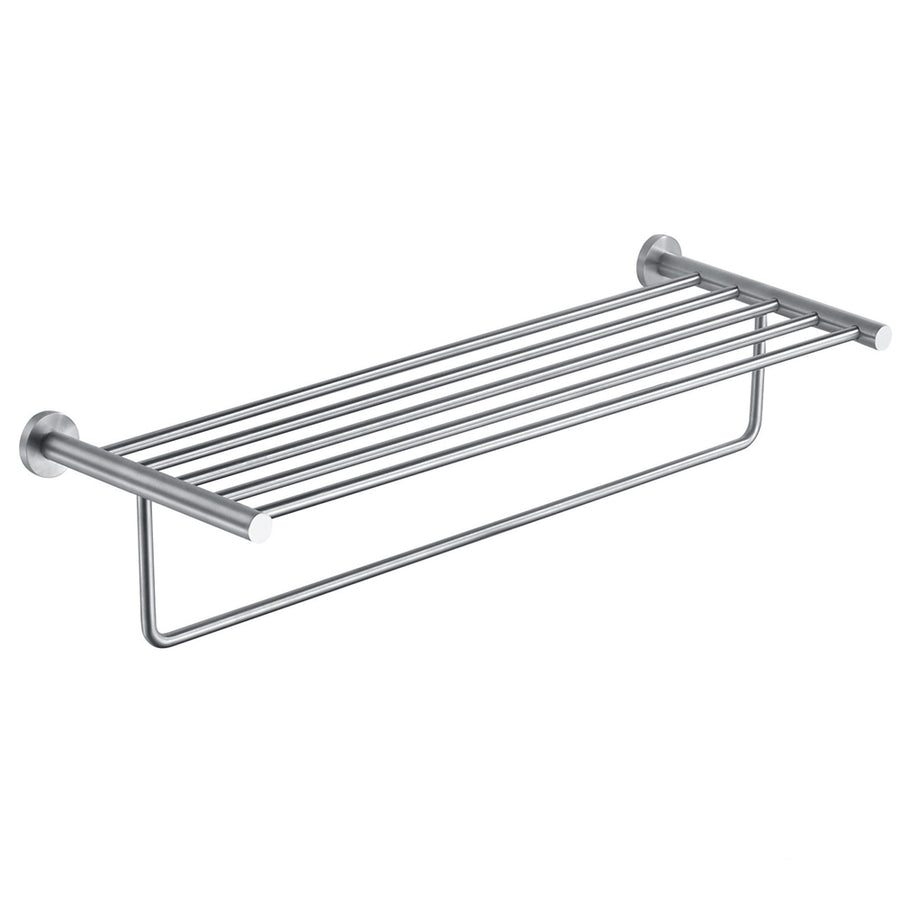
Image Credit : Tapron.co.uk
On the other hand, those with a larger budget have the flexibility to explore premium fittings and incorporate luxury elements into their bathroom design. This may include installing high-end fixtures, luxurious materials, or sophisticated features to elevate the overall ambiance and create a more upscale atmosphere.
Ultimately, the extent to which you can achieve your desired look depends on your budget and personal preferences. By carefully considering your priorities and exploring various options, you can tailor your bathroom renovation to align with your vision while staying within your financial means.
Plumbing Installation with Labor and Prices
We highly recommend planning the plumbing layout for your bathroom remodel, whether you opt for a DIY approach or hire professional assistance. This strategic step can significantly reduce overall costs and ensure the efficiency and functionality of your new bathroom.
Utilizing existing plumbing whenever possible is a prudent cost-saving measure. For instance, relocating essential fixtures like the toilet can substantially inflate renovation expenses. Such tasks require skilled labor to disconnect and reroute water supply and drain pipes, often involving the removal of walls and floors. The same applies to the relocation of baths, basins, and showers, which entail additional complexities and expenses.
The cost of plumbing for bathroom renovations is variable and contingent upon factors such as the extent of piping required and labor demands. In the UK, prices for copper or steel pipes typically range from around PS3 for basic options to PS7 for more premium galvanized pipes. Plastic tubes, particularly uPVC, are a popular and cost-effective choice due to their affordability and resistance to decay.
However, significant alterations to the plumbing layout can escalate costs substantially. Depending on the scope of the changes, plumbing services may cost between PS750 to PS950 or more. Therefore, careful consideration of the plumbing requirements and potential expenses is crucial in budgeting for your bathroom renovation project.
Electric costs with Diagnostics and rewiring
Electrical wiring alterations are typically budget-friendly, particularly when factoring in the specific fixtures chosen for your bathroom renovation. However, the costs can vary based on the complexity of the electrical work required. For instance, if you opt for a luxury shower or bath that incorporates a pump for enhanced functionality, additional wiring may be necessary to accommodate these features.
It's essential to assess your electrical needs and budget accordingly when planning your bathroom remodel. While basic wiring adjustments may incur minimal expenses, the installation of specialized fixtures or appliances may entail higher costs due to the need for additional electrical work. Therefore, consulting with an electrician and thoroughly outlining your electrical requirements beforehand can help you anticipate and manage the associated expenses effectively.
Here's a list of things to consider when calculating the electricity costs for bathroom renovations:
- Power Outlets
- Lighting
- Ventilation Fans
- Bathroom Circuits
Bathroom Fixtures and Fittings
What is the cost of a bath?
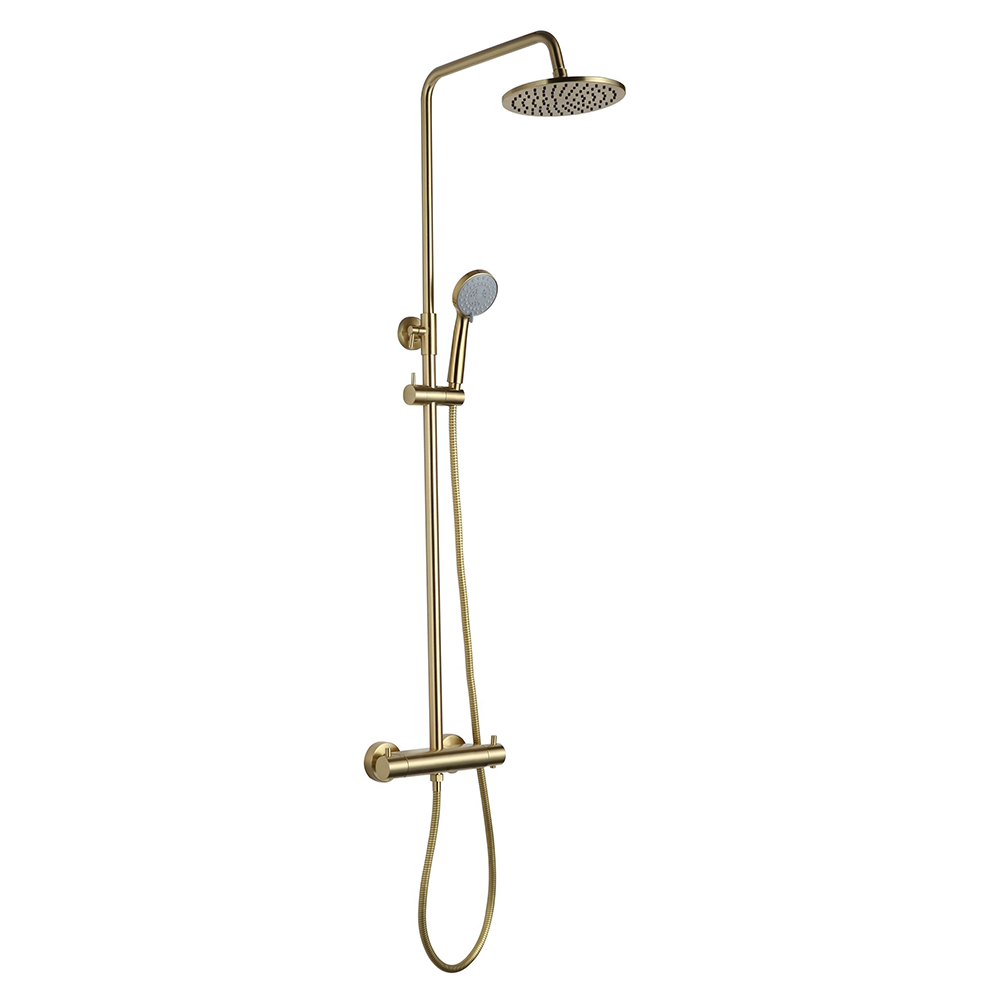 |
| Image Credit : Goldbathroom.uk |
A budget-friendly option for baths starts as low as £90, typically for acrylic baths that lack reinforcement and are lightweight. However, it's essential to note that standard acrylic baths may require additional framing for tiling or waterproofing, adding to the overall cost. Alternatively, high-end freestanding acrylic baths, which offer durability and aesthetic appeal, can range from £300 to over £1800, depending on the design and features.
For those seeking economical yet durable options, steel baths offer a cost-effective solution, starting at around £120. These baths are known for their affordability and decent quality. On the other hand, for those with a more substantial budget, luxury options such as cast iron or stone baths provide unparalleled elegance and durability. These luxurious baths typically come with a higher price tag.
When considering the cost of a bath installation, it's important to factor in the time required, typically ranging from 4 to 5 hours for a typical installation process. Additionally, costs may vary depending on the complexity of the installation and any additional structural or plumbing work required to accommodate the chosen bath type.
Bath Cost Summary
- Low-end: PS90
- Top-end: PS300 - PS1,800
- Average: PS300 - PS900
- Average Job Time: 3-5 Hours
What is the cost of a shower?
An electric shower stands out as the most economical option, with prices starting as low as £50. These showers operate solely on cold water, heating it within the shower unit, and require minimal electricity consumption. However, it's important to note that while these showers may offer long-term energy savings, the cheapest models may not provide efficient water heating capabilities. Prices for electric showers can vary depending on the brand and features.
For those seeking versatility and affordability, a combination bath and shower mixer presents a practical solution. These units, which eliminate the need for a separate shower enclosure, typically start at around £60 and can vary in price based on design and quality.
A standard shower mixer, suitable for basic shower setups, can be found for approximately £70. Alternatively, investing in a thermostatic shower mixer, which automatically adjusts water temperature to compensate for fluctuations in water pressure, starts at around £130.
Luxury shower options abound, with power showers offering enhanced water pressure through a booster pump. These advanced showers, which often feature customizable water pulse, sprays, and jets, can cost upwards of £150, with premium models exceeding £300.
When considering the cost of a shower installation, it's essential to factor in the price of the enclosure, typically sold as sets comprising the frame, door, and shower tray. Entry-level options, such as quadrant trays or frameless doors, start at around £70, while full wet room kits can range up to £600. On average, installation of a shower within walls takes approximately 1 to 2 hours, depending on the complexity of the setup.
Shower Cost Summary
- Low-end: PS60
- Top-end: PS600 - PS2,000
- Average: PS70 - PS600
- Average Job Time: 1-2 Hours
What is the cost of a bathroom basin?
 |
| Image Credit : Tapron.co.uk |
When selecting a basin for your bathroom, you have the option of choosing between semi-pedestal or pedestal basins to suit your preferences. For those on a budget, a ceramic pedestal basin offers an affordable starting point, with prices beginning at £60. Similarly, a basic semi-pedestal wall-hung basin, priced around £70, presents a cost-effective alternative.
If you're aiming for a more sophisticated and luxurious look, vanity units provide an elegant option, albeit at a higher price point. While the basin itself may start at £90, the overall cost will increase when factoring in the vanity unit. Ceramic basins remain the most budget-friendly option, with standard designs typically offering the lowest prices.
Installation of these basins can vary in complexity and duration. For instance, pedestal and semi-pedestal basins may require less time to install compared to vanity units. On the other hand, the installation of premium metal, glass, or stone basins can be more intricate, potentially taking up to two hours and costing over £350 for the most elite designs.
Bathroom Basin Cost Summary:
- Low-end: PS60
- Top-end: PS350
- Average: PS150
- Average Job Time: 1-2 Hours
What is the cost of a toilet?
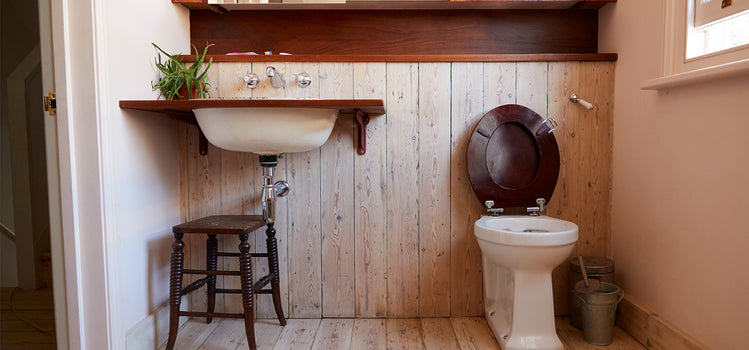
For those seeking a basic floor-mounted toilet, prices typically start around £60. However, if you're inclined towards a more luxurious design, expect to invest as much as £600. The installation process for a toilet usually spans between 2 to 3 hours.
 |
| Image Credit : Tapron.co.uk |
 |
| Image Credit : Goldbathroom.uk |
Toilet Cost Summary
- Low-end: PS60
- Top-end: PS600
- Average: PS300
- The typical job time is between 2 and 3 hours
How much do taps cost?
When it comes to bathroom taps, there are three main options to consider, each catering to different fixtures and setups. Depending on whether you have a sink or tub, the type of faucet required may vary. For instance, wall-mounted faucets are necessary for certain sinks or tubs, while countertop basins may call for taps mounted directly onto the counter. Freestanding baths not attached to a wall typically require floor-mounted taps. Typically, the installation process takes about 2 hours, though skilled workers may complete it more swiftly.

Pillar taps, available as separate sets for hot and cold water, are a budget-friendly option, priced at just £50 per set. Alternatively, there are two types of mixer taps available. The monobloc mixer, though pricier, offers greater convenience. Featuring a single handle that can be lifted to open the tap and then swiveled to adjust the water temperature, monobloc mixers range in price from £60 to slightly over £100. On the other hand, water mixers priced lower (starting at around £50) come with separate controls for hot and cold water.
Tap Cost Summary
- Low-end: PS40
- Top-end: PS60 - PS100
- Average: PS40 - PS70
- Average Job Time: 1-2 Hours
Bathroom walls with Tiling and Other Cladding Options
What is the cost of tiling a bathroom?
The choice of wall cladding and bathroom tiles can significantly impact both the aesthetics and functionality of your bathroom space. When estimating the cost of tiling your bathroom, it's essential to consider not only the price of the tiles themselves but also additional expenses such as tile adhesive, grouting, and the cost of the ply beneath floor tiles.
For budget-friendly options, floor tiles (inclusive of adhesive, grouting, and ply) typically range around £30 per square meter. Mid-range floor tiles may cost approximately double that amount, while high-end tiles could reach up to £70 per square meter. The duration of installation varies depending on the extent of coverage needed, ranging from 1 to 6 days.
Summary of Tile Costs
- Low-end: PS30 per square meter
- Top-end: PS70 per square meter
- Average: PS50 per square meter
- Average Job Time: 1-6 Days
In comparison to floor tiles, wall tiles often come with a slightly higher price tag. However, when it comes to flooring, vinyl offers a much more budget-friendly option. In recent years, uPVC wall panels have emerged as a popular choice for bathroom cladding due to their affordability and ease of installation.
Opting for uPVC wall panels can not only lower your construction expenses but also save you time during the renovation process. This solution strikes a balance between cost-effectiveness and elegance. Waterproof wall panels from Easy Panels start at just £10 (measuring 250mm x 2600mm), making them an excellent cladding option for those working with tight budgets. Installation typically requires only 1 to 4 days, further streamlining the renovation timeline.
Summary of Wall Panel Prices:
- Low-end: PS15/square meter
- Top-end: PS20/square meter
- Average: PS17/square meter
- Average Job Time: 1-4 Hours
How much does it cost to renovate a bathroom?
A typical bathroom renovation can typically be carried out by most plumbers within two to three working days. However, the duration may vary depending on the size of your bathroom and the extent of the work required.
When it comes to the cost of a bathroom remodel, it's essential to recognize that prices may vary from one location to another. On average, you can anticipate paying around £400 per day for labor. For plumbing work in an average-sized bathroom, it's advisable to budget approximately £1000.
Planning Your Bathroom Renovation
For a successful DIY bathroom remodel, careful planning is essential. Begin by designing your ideal layout and setting a realistic budget. Gather all necessary materials and supplies, then prepare the space by removing old fixtures and fittings. Demolish and remove any existing elements before proceeding with installation, including plumbing, electrical work, tiling, and flooring. Pay close attention to detail during finishing touches, such as grouting and painting. Once the renovation is complete, thoroughly clean the space and inspect for any necessary adjustments. Finally, step back and enjoy your newly transformed bathroom oasis.
First Preparation
Before beginning your bathroom renovation, it's crucial to prepare the space properly. Start by removing all personal items from the bathroom and turning off the main water supply. Drain the central heating system to prevent any water damage during the renovation process. Install floor protection in all areas leading to the bathroom to safeguard against any potential damage. Remove all fixtures from the bathroom and eliminate any redundant electrical wiring or pipes. Additionally, take out all tiles and prepare the walls for new cladding to ensure a smooth renovation process.
2nd Step: Plumbing and wiring
To accommodate the installation of electrical wiring and new pipes, walls will need to be chased, and holes may need to be drilled in walls and floors as necessary. It's important to adhere to specific regulations set by the council regarding the installation of electrical wiring and pipes to ensure compliance and safety standards are met throughout the renovation process.
3rd Step: Preparing
Structural modifications will be necessary for the bathroom, vanity counters, basins, toilet, and shower enclosure. This involves plastering the walls and preparing them for tiling. Additionally, all fixtures must be securely attached to both the floor and walls to ensure stability and durability.
4: Tiling
Before tiling, it's essential to clean all surfaces thoroughly. For wooden floors, a waterproof floor ply is necessary to prevent moisture damage. Depending on the weather conditions, tiling can take up to two days, as the tile adhesive needs time to set before grouting. Alternatively, installing PVC panels as wall cladding can be completed in just a few hours, providing a quicker option for bathroom renovation.
5: Cleaning and Finishing
Once the walls are clad and cleaned, the installation of wall-mounted taps, towel rails, and shelves can proceed. The remaining cleaning, particularly of grout residue, may take some time. Renovating a bathroom involves careful consideration and planning to ensure success. It's advisable to shop around and obtain multiple quotes from plumbers to find the best deal. While affordability is important, prioritizing plumbers with good references can provide peace of mind, even if they're not the cheapest option. Ultimately, it's essential to spend your money wisely to achieve the desired outcome for your bathroom renovation.
Keep on top of your bathroom renovations
What is the cost of tiling a bathroom?
Achieving a successful bathroom renovation entails effective project management, a task that can be challenging but rewarding. Balancing style and functionality requires thorough planning and meticulous attention to detail. During renovations, unforeseen additions or adjustments may arise, potentially affecting your budget. It's crucial to anticipate such occurrences and closely monitor the entire renovation process. To facilitate efficient project management, consider these four quick tips to kickstart your renovation journey.
- Decide on a definite layout
- Precision is the key
- Get materials ordered in advance
- Storage is important!
 |
| Image Credit : Tapron.co.uk |
Comments
Post a Comment